

 See My Latest Article on HelloNation
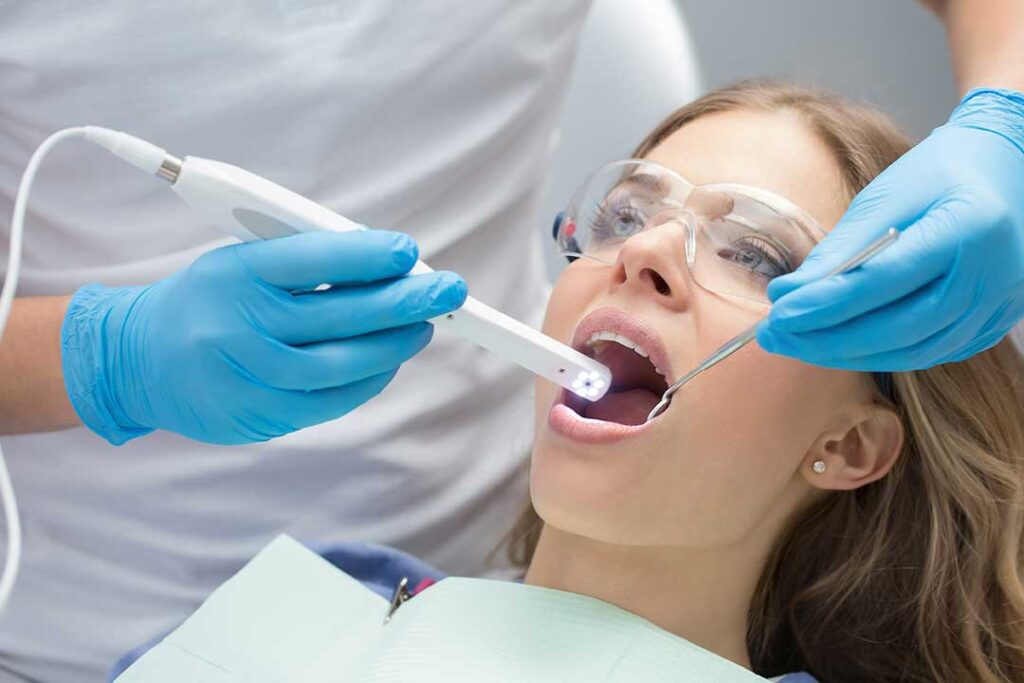
A chipped or broken tooth is often manageable, but the right first steps depend on how much tooth was lost, whether the nerve is exposed, and whether the injury involved the jaw or face. Rinse gently, protect the tooth from further damage, save any broken fragment, and arrange dental evaluation based on the severity of the injury.
What should you do immediately after breaking a tooth?
Start by rinsing your mouth gently with lukewarm water to remove blood or debris. If there is bleeding, apply light pressure with clean gauze or a folded cloth for several minutes.
If a piece of the tooth broke off, find it and handle it by the enamel portion rather than the root-like surface. Place the fragment in a small container of milk or clean saliva. Do not scrub it, bleach it, or let it dry out. In some cases, a dentist may be able to reattach the fragment.
A cold pack held against the outside of the cheek for short intervals can help reduce swelling and discomfort. Avoid placing ice directly on the gum or tooth.
Until the tooth is assessed:
- Chew on the opposite side of the mouth.
- Choose soft foods and avoid hard, sticky, or very hot foods.
- Keep the area clean with gentle brushing.
- Do not file, glue, or attempt to reshape the tooth at home.
- Do not place aspirin directly on the tooth or gum because it can irritate oral tissue.
Is a chipped tooth a dental emergency?
A small chip without pain, bleeding, looseness, or sharp edges is usually not a life-threatening emergency, but it still deserves dental evaluation. Even a minor chip can expose weaker inner tooth layers or create an edge that continues to fracture.
Urgent dental attention is more appropriate if:
- The tooth is very painful or sensitive to air, water, or temperature.
- A large portion of the tooth is missing.
- A pink, red, or dark spot is visible in the center of the break.
- The tooth feels loose or has moved out of position.
- Bleeding does not stop with steady pressure.
- The injury also damaged the lips, tongue, gums, or jaw.
- Swelling, fever, or a bad taste develops.
A tooth that has been completely knocked out is different from a simple chip. It requires immediate attention. Hold a permanent tooth only by the crown, not the root. If it is visibly clean, it may sometimes be gently placed back into its socket, but do not force it. If that is not possible, keep it moist in milk or saliva while obtaining urgent care. Baby teeth should not be placed back into the socket.
How can you tell how serious the break is?
The appearance of the break provides clues, but only an examination can show the full extent of the injury. A small enamel chip may cause little or no discomfort. A deeper fracture can reach the dentin, the softer layer beneath enamel, and cause sensitivity.
If the pulp—the living center containing nerves and blood vessels—is exposed, the tooth may look pink or red and can become intensely painful. A fracture that extends below the gum line may be more difficult to repair.
Pain is not always a reliable measure. A severely injured nerve may eventually stop responding, causing pain to lessen even though the tooth remains damaged. Delayed swelling, discoloration, or tenderness when biting can appear later.
A dental examination may include close visual inspection, bite testing, and dental X-rays. These steps help determine whether the tooth can be smoothed, bonded, filled, covered, treated internally, or requires removal.
What treatments may be used for a broken tooth?
Treatment depends on the location and depth of the break, the condition of the remaining tooth, and whether the nerve or root is affected.
A minor edge chip may only need smoothing or tooth-colored bonding. If a larger section is missing, a filling or another restoration may rebuild the shape. A badly weakened tooth may need a protective crown or similar covering.
When the nerve is exposed or infected, root canal treatment may be needed before the tooth is restored. A tooth that is split beyond repair may need to be removed, although that decision requires an examination and imaging.
A temporary repair may protect the tooth while more complete treatment is planned. It is not a substitute for evaluation, particularly if the tooth remains painful or sensitive.
What if the tooth broke while eating?
A tooth that breaks during ordinary eating may have been weakened before the event. Large fillings, untreated decay, older cracks, grinding, acid erosion, and previous injuries can all reduce the strength of enamel and dentin.
Hard foods such as ice, unpopped kernels, hard candy, and bones can trigger a fracture, but the food may not be the underlying cause. A tooth that repeatedly breaks or has fractured without a clear accident deserves attention for possible decay, grinding, or structural damage.
Residents in Sunnyvale may also notice tooth injuries after recreational activities, cycling, household projects, or contact sports. Wearing a properly fitted mouthguard during activities with a risk of facial impact can reduce the chance of chipped teeth, lip injuries, and some jaw trauma.
When should you go to a hospital emergency department?
A hospital emergency department is appropriate for signs of a broader medical emergency, especially trouble breathing or swallowing, rapidly increasing facial swelling, uncontrolled bleeding, loss of consciousness, severe jaw deformity, or a significant head injury.
A hospital may not provide definitive tooth repair, but it can address airway problems, major bleeding, facial trauma, or other urgent medical concerns. Dental follow-up is still needed after the immediate danger is managed.
How can you protect the tooth while waiting for care?
Keep the broken area clean, but avoid aggressive brushing around a painful fracture. If a sharp edge is cutting the cheek or tongue, orthodontic wax can temporarily cover it. Avoid superglue and household adhesives, which are unsafe in the mouth and can complicate treatment.
Over-the-counter pain medicine may help when used exactly as directed on the label and when it is safe for the individual’s health conditions and other medicines. Children should not be given aspirin. Anyone with a history of stomach bleeding, kidney disease, blood-thinning medication use, medication allergies, pregnancy, or other relevant concerns should check with a healthcare professional before choosing a pain reliever.
Do not ignore a tooth simply because the discomfort fades. A crack can allow bacteria to reach deeper layers, and an injured tooth can become more difficult to restore if treatment is delayed.