

 See My Latest Article on HelloNation

Can Teeth Be Safely Whitened at Home?
Teeth can often be safely whitened at home if recommended guidelines are followed and any current dental health concerns are considered first. Over-the-counter products and certain home remedies are widely used by individuals wishing to brighten their smiles without a dental visit, but results vary based on personal habits, existing dental conditions, and the method chosen.
Residents in Sunnyvale, CA typically enjoy a mild climate, which can influence lifestyle habits such as outdoor dining and beverage choices. Foods and drinks like coffee, wine, tea, and berries frequently contribute to gradual enamel staining. Whitening methods suitable for home use can help address these stains if used cautiously and correctly.
What Methods Are Safe for At-Home Whitening?
Safe options generally fall into two categories: over-the-counter products and common mild home remedies. Each has advantages and limitations, especially regarding speed, effectiveness, and sensitivity.
Over-the-Counter Whitening Products
Many people use whitening strips, gels, or preloaded trays, which are designed to fit comfortably at home. These products commonly use low concentrations of hydrogen peroxide or carbamide peroxide to break down surface stains.
- Strips: Thin plastic strips coated with peroxide gel, applied directly to teeth.
- Trays: Mouldable to the user's teeth, filled with whitening gel.
- Toothpastes: Abrasive or chemically active, but usually provide subtle results and are less likely to cause sensitivity.
It is wise to read instructions thoroughly and avoid overuse. Longer application times do not usually produce whiter results and can risk irritation.
Home Remedies: Which Ones Work and Which to Avoid?
A few widely circulated home whitening tips deserve careful consideration.
Safe:
- Baking soda used occasionally with water may help gently buff surface stains. Applying with a soft toothbrush once a week will minimize enamel erosion.
- Brushing and flossing consistently with fluoride toothpaste prevents new stains from setting and supports natural whiteness.
Better Avoided:
- Lemon juice, apple cider vinegar, or other acidic substances, even when mixed with baking soda, can weaken enamel and increase sensitivity.
- Abrasive scrubs, such as salt or charcoal powders, risk permanent enamel loss with regular use.
Local residents often seek out quick-fix tips online, but relying only on gentle and time-tested methods is best for long-term oral health.
Who Should Be Cautious About At-Home Whitening?
At-home whitening is not suitable for everyone. Those with dental restorations (fillings, crowns, veneers), untreated cavities, or existing sensitivity should consult their dentist before attempting whitening. Similarly, anyone experiencing persistent mouth discomfort or having a history of gum disease should be cautious, as whitening agents can aggravate underlying conditions.
In multi-generational households, younger teenagers, and children should avoid whitening without dental supervision, since developing enamel is more vulnerable to damage. Likewise, those undergoing orthodontic treatment with active braces will not achieve even results, as whitening agents do not penetrate beneath brackets.
How Long Do At-Home Results Last and What Influences Them?
Gains from whitening kits or approved home routines typically last several months but vary based on dietary choices, oral hygiene, and tobacco use. In Sunnyvale, where outdoor cafes and work-from-home environments make snacking and sipping common, residents may notice stains returning more rapidly if habits remain unchanged.
To maintain results:
- Drink dark-colored beverages through a straw when possible.
- Rinse with water after consuming stain-prone foods.
- Brush and floss thoroughly, especially before bedtime.
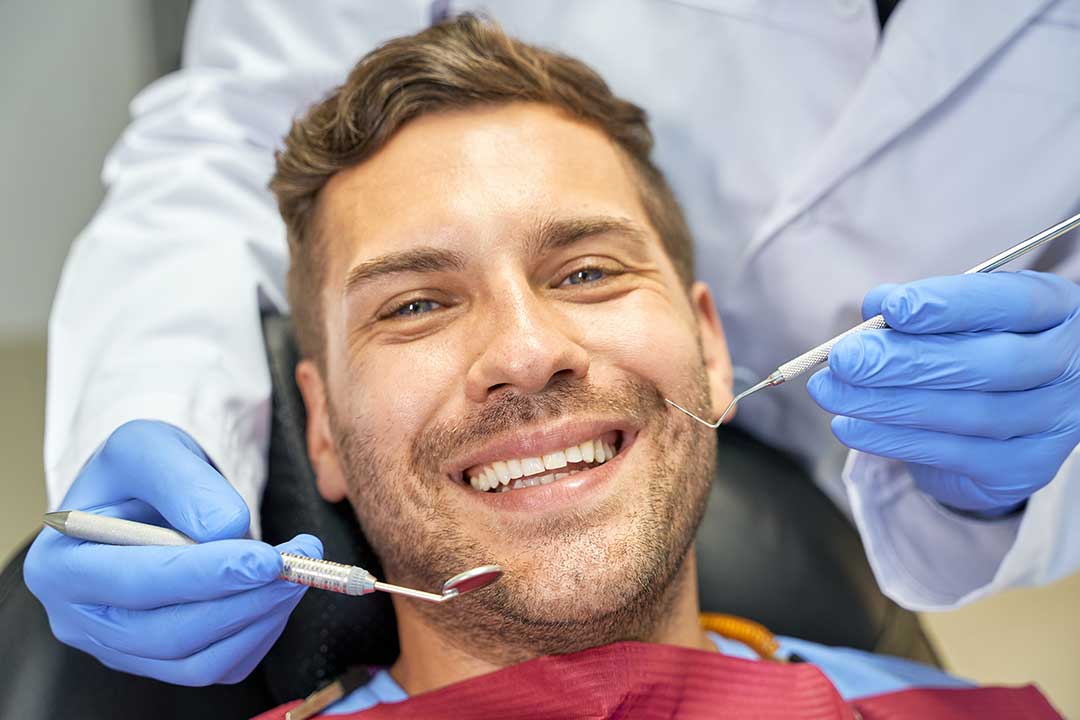
Limiting stain-promoting habits is as important as regular whitening efforts.
Are There Side Effects to Watch Out For?
Temporary sensitivity is the most common side effect, particularly with peroxide-based products. Gums may also become tender if gels touch soft tissue for too long. To mitigate discomfort:
- Skip whitening for several days if teeth or gums feel sore.
- Use a toothpaste formulated for sensitive teeth.
- Apply less frequently than the maximum recommended schedule.
Any persistent pain, swelling, or white patches on gums warrants a pause and a check with a dental professional, as these symptoms could suggest overuse or an allergic reaction.
What Are Common Myths and Misconceptions?
Local households often encounter these misunderstandings:
- Whitening Toothpaste Works Instantly: Most whitening toothpaste removes only surface-level stains through gentle abrasives, not deep discoloration, and changes are gradual.
- All Stains Come Out: Not all discoloration responds to at-home treatments. Internal staining, often from aging or certain medications, requires professional evaluation to address effectively.
- More Product Equals Better Results: Increasing frequency or amount does not enhance whitening but raises risks of enamel damage or gum irritation.
- Natural Means Safe: Many so-called natural remedies can be harsh; for example, rubbing acidic fruits directly onto teeth strips enamel rather than improving color safely.
What Steps Can Be Taken for the Best Outcome?
Start with clean teeth, and consider a professional cleaning as a baseline if conditions allow. Review ingredient labels, follow package instructions unerringly, and document any changes in sensitivity or tooth color over time. Practicing patience is key, as visible change may take 1-2 weeks with most home options.
For ongoing maintenance, balancing whitening efforts with good daily hygiene and periodic dental checkups provides a safe, sustainable path to a brighter smile.