

 See My Latest Article on HelloNation
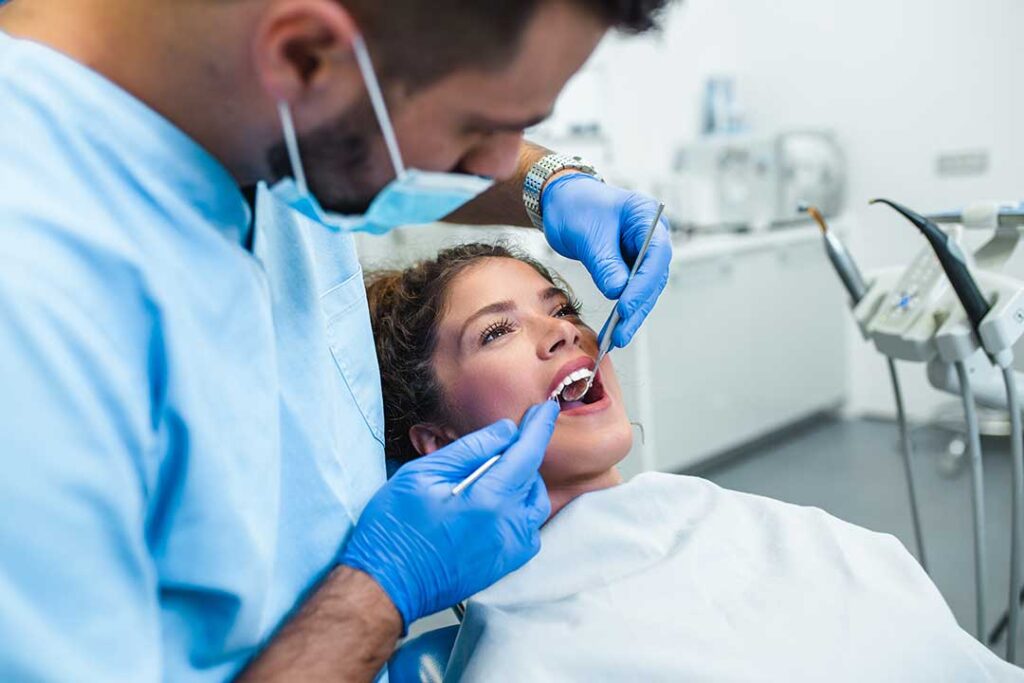
What Everyday Signs Could Mean It's Time for a Dental Checkup?
Some oral health issues are easy to dismiss, but certain changes in your mouth can signal larger problems. While Sunnyvale residents enjoy a relatively mild climate that generally supports good health, everyday routines, local environmental factors, and even water quality can contribute to dental concerns. Recognizing common signs early helps support lifelong oral health and may prevent more complex treatments down the line.
Minor symptoms such as occasional sensitivity, small spots of bleeding, or lingering bad breath might seem harmless. However, these can be indicators of early gum disease, untreated cavities, or other underlying conditions. If these symptoms persist beyond a few days or recur frequently, it’s wise to seek professional guidance.
Are Bleeding Gums Always a Cause for Concern?
Gums that bleed when brushing or flossing are not normal, even if the bleeding is light or painless. This symptom can signal early gingivitis, especially if it's accompanied by red, swollen, or tender tissue.
In the context of Sunnyvale’s suburban lifestyle, busy residents who rush through oral hygiene might sometimes overlook their gums. Factors such as infrequent flossing or minor plaque buildup can prompt bleeding. While occasional irritation can occur due to brushing too hard, chronic or regular bleeding deserves attention, as untreated gum problems often worsen over time.
How Can Tooth Sensitivity Affect Daily Life?
If you notice discomfort or sharp pain when consuming hot, cold, or especially sweet foods and beverages, tooth sensitivity may be impacting your quality of life. Sunnyvale’s local tap water is fluoridated, which supports enamel health, but sensitivity can still stem from:
- Worn or damaged enamel
- Tiny cracks or chips (sometimes due to chewing hard local foods or accidental bites)
- Gum recession exposing more sensitive tooth surfaces
Ignoring sensitivity gives minor problems a chance to advance, potentially leading to more extensive repairs.
Is Bad Breath a Dental Red Flag?
Persistent bad breath, even after regular brushing, may point to problems within the mouth. Occasional bad breath is common after eating strong-flavored foods, but if it lingers, it’s often linked to:
- Bacterial buildup from infrequent brushing or flossing
- Active gum disease
- Untreated decay
- Dry mouth (which can result from certain local environmental factors, allergies, or medications)
Sunnyvale’s dry summer weather can also contribute to mouth dryness, which exacerbates odor. Addressing underlying dental causes can help resolve the issue.
What if a Dental Restoration Feels Loose or Breaks?
Crowns, fillings, or bridges occasionally become loose or fractured, especially as materials age or bite patterns change. If a restoration feels unstable or a piece falls out, immediate evaluation is important. Exposed underlying tooth structure is vulnerable to infection or breakage.
Area residents who participate in local sports or exercise routines—especially contact activities—may also experience trauma to dental work. Delaying care in these cases can compromise the integrity of your remaining teeth.
Can Jaw Pain and Headaches Be Signs of a Dental Problem?
Frequent jaw discomfort, popping, or soreness—especially upon waking—may be linked to unconscious clenching or teeth grinding (bruxism). This is a common issue in high-tech, fast-paced communities like Sunnyvale, where stress or irregular sleep routines can impact oral health.
Teeth grinding can:
- Wear down tooth surfaces
- Increase tooth sensitivity
- Cause jaw fatigue and morning headaches
If these symptoms persist, they may indicate the need for preventative strategies or protective appliances.
What Changes in Appearance or Sensation Deserve Attention?
Visual and sensory changes inside the mouth shouldn’t be ignored. These include:

- A white or red patch that doesn’t heal within two weeks
- Any lump, sore, or rough spot along the cheeks, gums, or tongue
- Unexplained numbness, tingling, or swelling
While many changes have harmless causes, persistent symptoms may need further investigation to exclude infection, systemic illness, or, rarely, more serious conditions.
Why Monitor Childhood Oral Health Closely?
Sunnyvale families often adopt busy schedules, making it easy to overlook early dental concerns in children. Watch for:
- Dark spots or pits on teeth (possible early cavities)
- Reluctance to chew or avoidance of cold foods
- Persistent thumb-sucking or tongue-thrusting after preschool age
Children should not complain regularly about mouth pain—if they do, prompt evaluation can help prevent future complications.
How Often Should You Check for Dental Problems at Home?
Regular self-checks can help area households spot early warning signs. Under good lighting, inspect your teeth and gums at least monthly for anything unusual or unexpected. Check for:
- Swelling along the gumline
- New discoloration or rough patches on teeth
- Unusual movement or shifting of teeth
Encourage everyone in your household to mention changes promptly—children, older adults, and those with chronic health conditions may be less likely to notice or report problems early.
Why Do Minor Problems Sometimes Warrant a Closer Look?
What may seem insignificant—like a chip or mild gum discomfort—sometimes reveals larger issues beneath the surface. Delaying care can result in more invasive remedies later. In the densely populated neighborhoods of the area, it's common for minor accidents (like bumping into doors, playground injuries, or minor sports mishaps) to go unnoticed initially. Even small changes are worth monitoring.
Ongoing prevention habits, such as daily brushing with fluoridated toothpaste, flossing, and staying hydrated (especially during warm, dry months), help support oral health between professional evaluations.