

 See My Latest Article on HelloNation
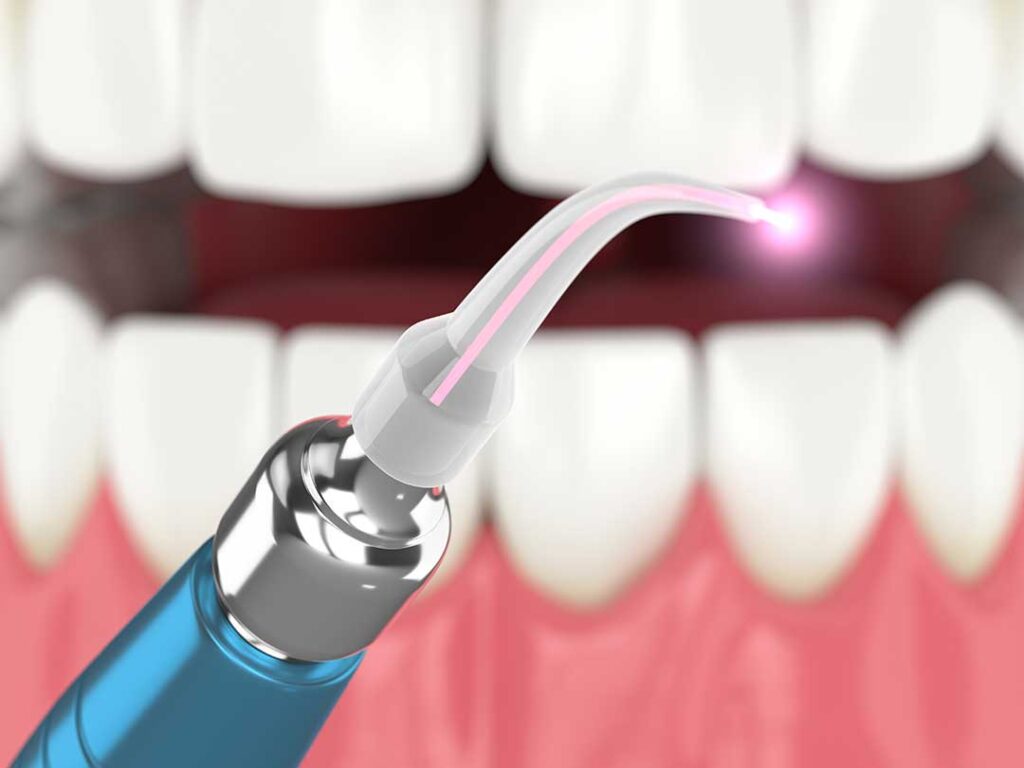
Seeing pink or red in the sink after brushing can be unsettling, but occasional gum bleeding is not something to ignore. In most cases, bleeding happens because the gum tissue is inflamed, often from plaque buildup along the gumline. The condition may improve with consistent, gentle oral care, but persistent bleeding can also signal more advanced gum disease or another health issue.
Why do gums bleed when brushing?
The most common reason is gingivitis, an early form of gum disease. Plaque is a sticky film of bacteria that forms on teeth every day. If it remains along the gumline, the surrounding tissue can become red, swollen, tender, and more likely to bleed when touched by a toothbrush or floss. ([mayoclinic.org](https://www.mayoclinic.org/diseases-conditions/gingivitis/symptoms-causes/syc-20354453?utm_source=openai))
Bleeding does not necessarily mean the toothbrush is damaging healthy gums. More often, it indicates that the gums are already irritated. As inflammation develops, small blood vessels in the tissue become more fragile, so ordinary brushing can cause bleeding.
Other possible causes include:
- Brushing with excessive pressure or using a toothbrush with firm bristles
- Flossing irregularly and then restarting
- Food or plaque trapped between teeth
- Ill-fitting dental appliances or rough edges on a filling
- Dry mouth, which reduces saliva’s protective effects
- Tobacco use
- Hormonal changes, including pregnancy or menstrual-cycle changes
- Certain medicines that affect bleeding or saliva production
- Nutritional deficiencies or medical conditions that affect the immune system or blood clotting
A new oral-care routine can sometimes cause minor bleeding for several days, especially if plaque has accumulated between teeth. That bleeding should gradually decrease rather than continue or worsen.
Is bleeding from flossing or brushing normal?
Bleeding is common, but it is not considered a sign of fully healthy gums. Healthy gums generally fit snugly around the teeth and do not bleed easily during routine brushing or flossing.
If someone has not flossed for weeks or months, bleeding may occur when flossing begins again because the tissue is inflamed. Stopping flossing usually does not solve the problem; it allows plaque to remain in place. Gentle daily cleaning often helps the gums become less sensitive over time.
However, bleeding that continues for more than roughly one to two weeks, happens frequently, or occurs without brushing deserves attention. Gum disease can be present even when there is little pain. NIDCR lists bleeding, redness, swelling, tenderness, gum recession, loose teeth, chewing discomfort, and persistent bad breath among possible signs of periodontal disease. ([nidcr.nih.gov](https://www.nidcr.nih.gov/health-info/gum-disease?utm_source=openai))
Could brushing too hard be the cause?
Yes. Aggressive brushing can irritate the gumline and contribute to recession or sensitivity, especially if the toothbrush has firm bristles. The solution is not to stop brushing but to use lighter pressure and a soft-bristled brush.
A useful technique is to hold the brush with the fingertips rather than tightly gripping it. Place the bristles at approximately a 45-degree angle toward the gumline and use small, gentle motions. Brushing for about two minutes twice daily with fluoride toothpaste is the standard home-care recommendation from the American Dental Association. ([ada.org](https://www.ada.org/resources/ada-library/oral-health-topics/home-care?utm_source=openai))
Electric toothbrushes can also be used safely, but the user should avoid pressing hard against the teeth and gums. A brush head that is worn, flattened, or frayed should be replaced.
What should you do if your gums bleed?
Continue gentle brushing and clean between the teeth once each day. Skipping the bleeding area can leave plaque behind and prolong inflammation.
Helpful steps include:
- Use a soft-bristled toothbrush.
- Brush twice daily for about two minutes.
- Clean between teeth with floss, interdental brushes, or another method that fits comfortably.
- Avoid snapping floss into the gums.
- Rinse with water after meals when brushing is not practical.
- Drink enough fluids, particularly if dry mouth is noticeable.
- Do not use tobacco products.
- Replace a toothbrush when the bristles become worn.

Residents of Sunnyvale may notice dry-mouth symptoms more during periods of indoor heating, air conditioning, overnight mouth breathing, or medication use. Dry mouth is not usually the sole explanation for bleeding, but it can allow plaque to accumulate more readily and make oral tissues feel irritated.
If bleeding began after a new medication, do not stop the medicine without medical guidance. Instead, mention the symptom to the prescribing clinician or dental provider.
When could bleeding indicate periodontitis?
Gingivitis affects the gum tissue without destroying the bone that supports the teeth. If inflammation persists, it can progress to periodontitis, a more serious infection involving the tissues and bone around the teeth. Periodontitis may cause gums to pull away from teeth, deeper spaces around the teeth, persistent bad breath, tooth sensitivity, or loose or shifting teeth. ([mayoclinic.org](https://www.mayoclinic.org/diseases-conditions/gingivitis/symptoms-causes/syc-20354453?utm_source=openai))
A professional examination may include measuring the spaces between the gums and teeth, checking for recession, evaluating plaque or tartar, and reviewing medical history. Hardened tartar cannot be removed reliably with a toothbrush at home.
Bleeding may also be more likely in people with diabetes, immune-system problems, or other conditions that affect healing. NIDCR notes that people with diabetes may experience swollen or bleeding gums and may need coordinated attention to both oral and general health. ([nidcr.nih.gov](https://www.nidcr.nih.gov/health-info/diabetes?utm_source=openai))
When is gum bleeding urgent?
Seek prompt medical or dental evaluation for heavy bleeding, bleeding that does not stop, or bleeding accompanied by facial swelling, fever, pus, severe pain, difficulty swallowing, or difficulty breathing. These symptoms can suggest infection or another problem requiring timely care.
Evaluation is also appropriate when bleeding is accompanied by:
- Loose teeth or a sudden change in the way teeth fit together
- Gums pulling noticeably away from the teeth
- Repeated sores or unusual patches in the mouth
- Easy bruising or nosebleeds elsewhere on the body
- Unexplained fatigue, weight loss, or other new systemic symptoms
For many people, bleeding during brushing is an early warning of gum inflammation rather than an emergency. The key distinction is whether it improves with careful daily cleaning. If it persists, returns frequently, or appears with other symptoms, it should be assessed rather than dismissed as simply brushing too hard.