

 See My Latest Article on HelloNation
What Is the Recommended Age for a Child’s First Dental Checkup?
Most dental and pediatric organizations agree: a child should visit the dentist by their first birthday or within six months after their first tooth erupts. This recommendation is backed by research showing early visits help detect developmental issues and prevent problems before they start. For many families in Sunnyvale, the idea of seeing a dentist so early feels unexpected, but starting at this age aligns with modern dental standards.
The first visit allows caregivers to ask questions, learn proper cleaning techniques, and understand what to expect as more teeth appear. Children can benefit socially as well, getting used to dental visits in a safe, non-urgent way.
Why Does Early Dental Care Matter?
Early dental checkups help catch issues such as early tooth decay, gum concerns, or developmental differences. Even in communities with fluoridated water and access to healthy foods, unexpected problems do occur—sometimes related to bottle habits, pacifier use, or local dietary trends.
Key advantages of starting young include:
- Detecting early signs of cavities or enamel defects
- Professional guidance on daily cleaning and local water fluoride levels
- Discussion of teething symptoms and comfort management
- Review of thumb-sucking and pacifier use, which can affect tooth alignment
In neighborhoods where children play outdoors or share snacks at local parks, small habits add up quickly. An early dental relationship ensures any patterns that could harm oral health are caught and addressed before causing lasting concerns.
What Happens During a Child’s First Dental Visit?
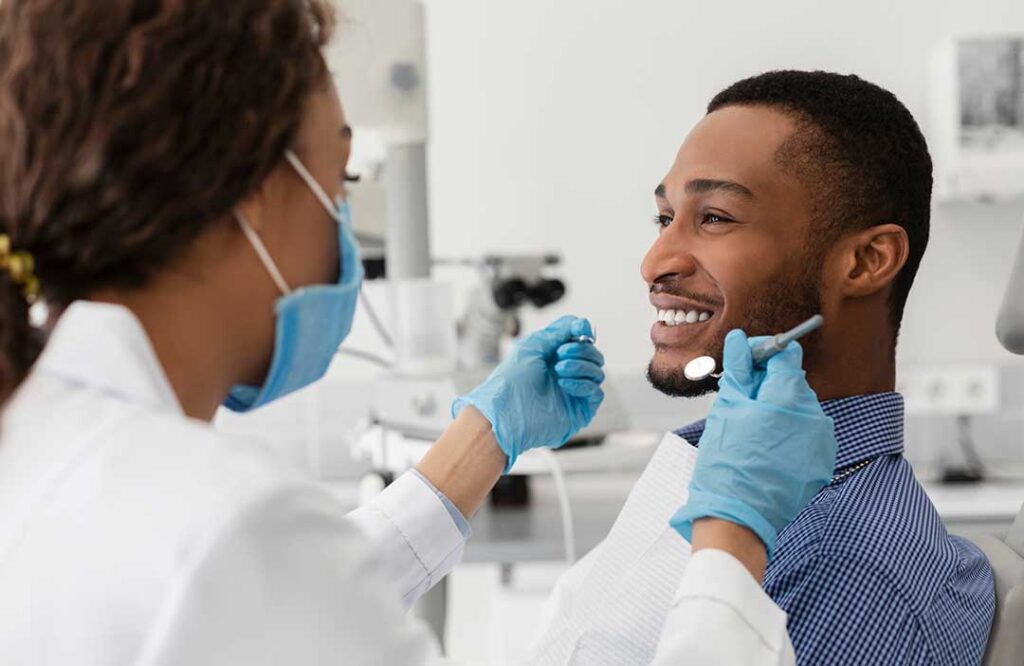
A first visit is generally brief and gentle. Most appointments focus on helping both the child and caregivers feel comfortable in the dental office setting. In the city, dental offices accustomed to seeing children may let the child stay on a parent’s lap.
Typical steps include:
- Visual examination of gums, jaw, and emerging teeth
- Checking for injuries or spots of early decay
- Assessment of bite and oral tissue development
- Guidance on effective brushing for babies and toddlers
Caregivers have the opportunity to ask about local water fluoridation, common foods found in grocery stores nearby, and practical ways to build healthy routines even with busy family schedules.
Are Baby Teeth Really That Important?
Some people mistakenly believe baby teeth don’t need much attention since they will fall out anyway. Dental specialists emphasize that these teeth serve crucial roles in eating, speaking, and guiding the proper alignment of permanent teeth.
In community settings where kids are active and exposed to various foods and drinks, any tooth decay can escalate quickly. Pain, trouble eating, and even speech delays sometimes originate from neglected baby teeth. Early checkups help local families prevent small issues from snowballing into more serious health or school readiness challenges.
What If a Child Seems Nervous or Resistant?
It’s natural for children to feel unsure about new environments. Residents often find that familiar routines—like reading storybooks about teeth or playing pretend “dentist” at home—help reduce anxiety.
Tips for preparing young children include:
- Scheduling a morning visit, when most toddlers are well-rested
- Practicing opening wide and touching teeth with a toothbrush at home
- Reassuring the child by explaining that visiting the dentist helps keep everyone healthy
Local parents sometimes coordinate first visits as a family activity, allowing siblings to observe. Observing calm caregivers and other children having positive experiences can make new patients more comfortable.
How Can Local Households Support Oral Health Between Dental Visits?
Consistent habits at home make a significant difference, especially for children in shared living spaces or busy households. In the community, many families use silicone finger brushes for infants and switch to small, soft-bristled brushes as teeth appear.
Some practical everyday tips:
- Brush twice daily with a tiny amount of fluoride toothpaste as soon as teeth appear
- Avoid sending babies to bed with milk, juice, or sugary drinks
- Encourage children to drink water—preferably tap water, which is typically fluoridated—to maintain enamel strength
- Limit sticky snacks and sugary foods between meals
Local water supplies in the area are fluoridated, but if a family primarily drinks bottled or filtered water, it is a good idea to check with a public health resource about fluoride status.
What If There’s a Dental Emergency Before the First Scheduled Checkup?
Sometimes, injuries from falls or toothaches can happen before a planned first dental visit. If a baby or toddler shows signs of deep tooth pain, swelling, uncontrolled bleeding, or trauma to the mouth, seeking urgent care guidance is warranted for safety. For non-urgent issues, planning an early checkup can help rule out complications.